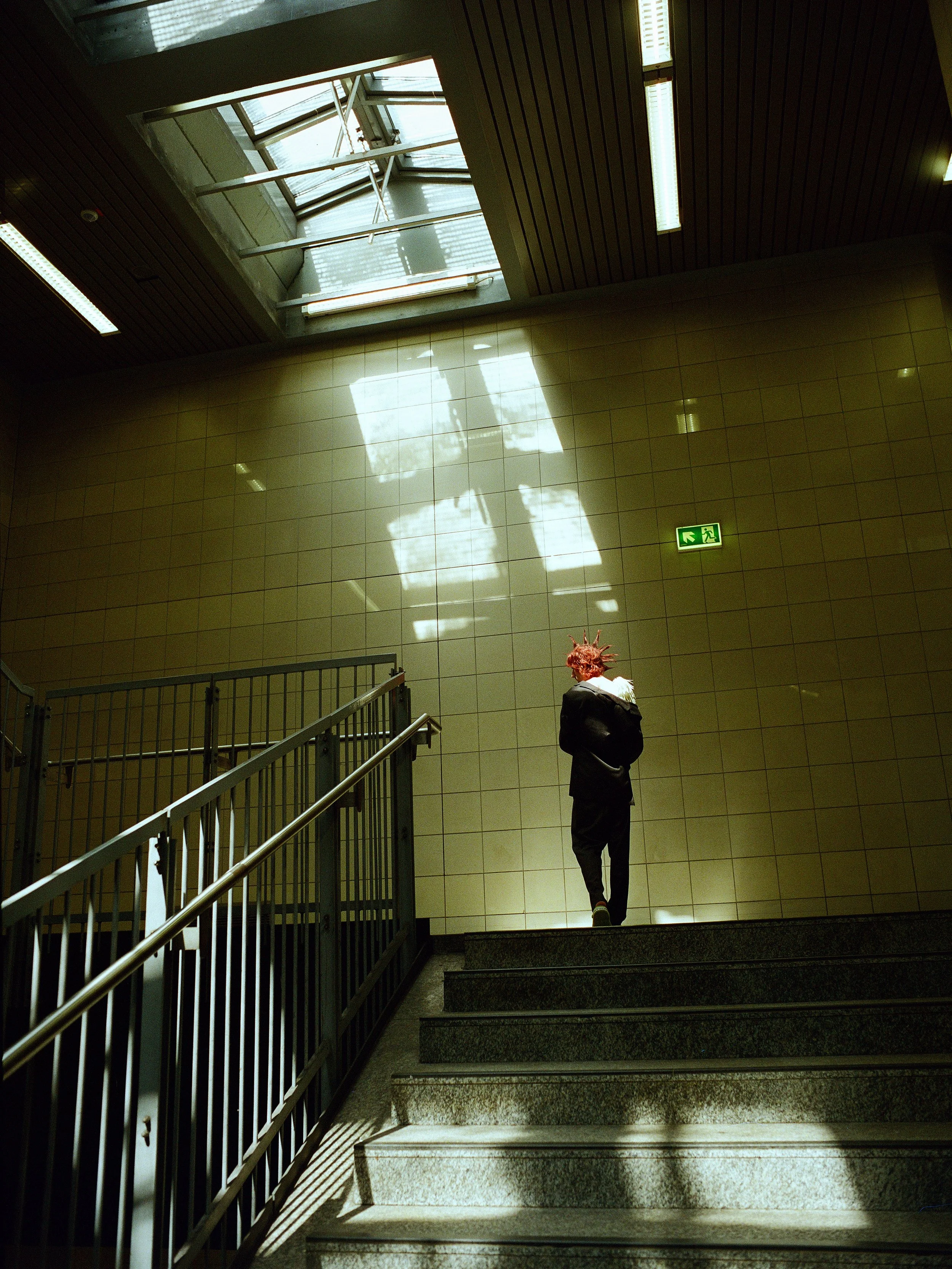
You Wouldn’t Download A Boy
Algocore – The Sacrality of the Digital Artifact
Photography: Jonas Glanz (Joji)
Styling: Andrej Kran
Hair and Makeup: Yasmin Wisnicki
Talent: Savio
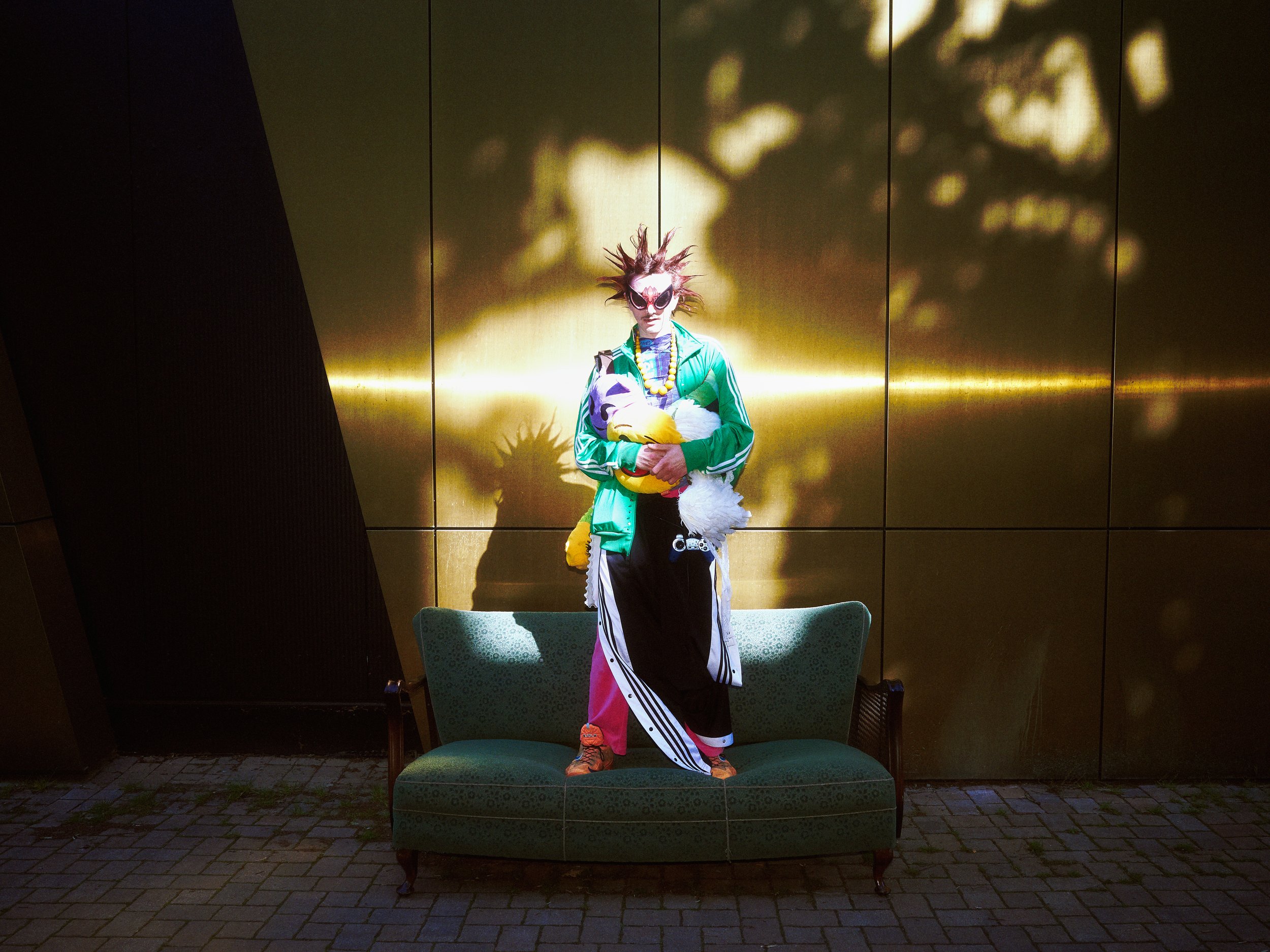
Algorithms do not pray. They generate. The sacred spaces of digital platforms produce a new form of subjectivity: fragmented, modular, without origin. No bodies, but avatars. No fashion, but assemblages. Clothing becomes code; subjects become interfaces.
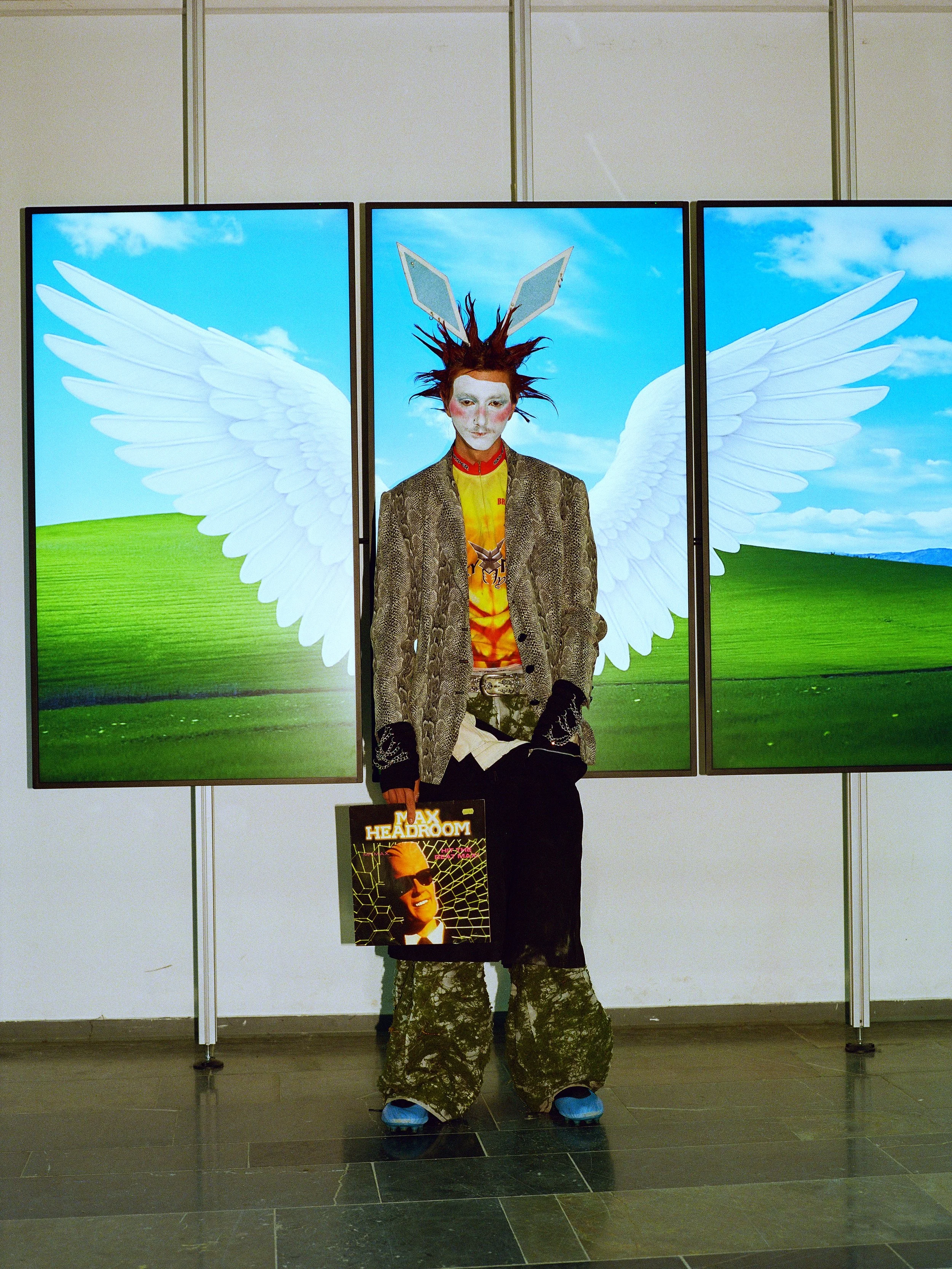
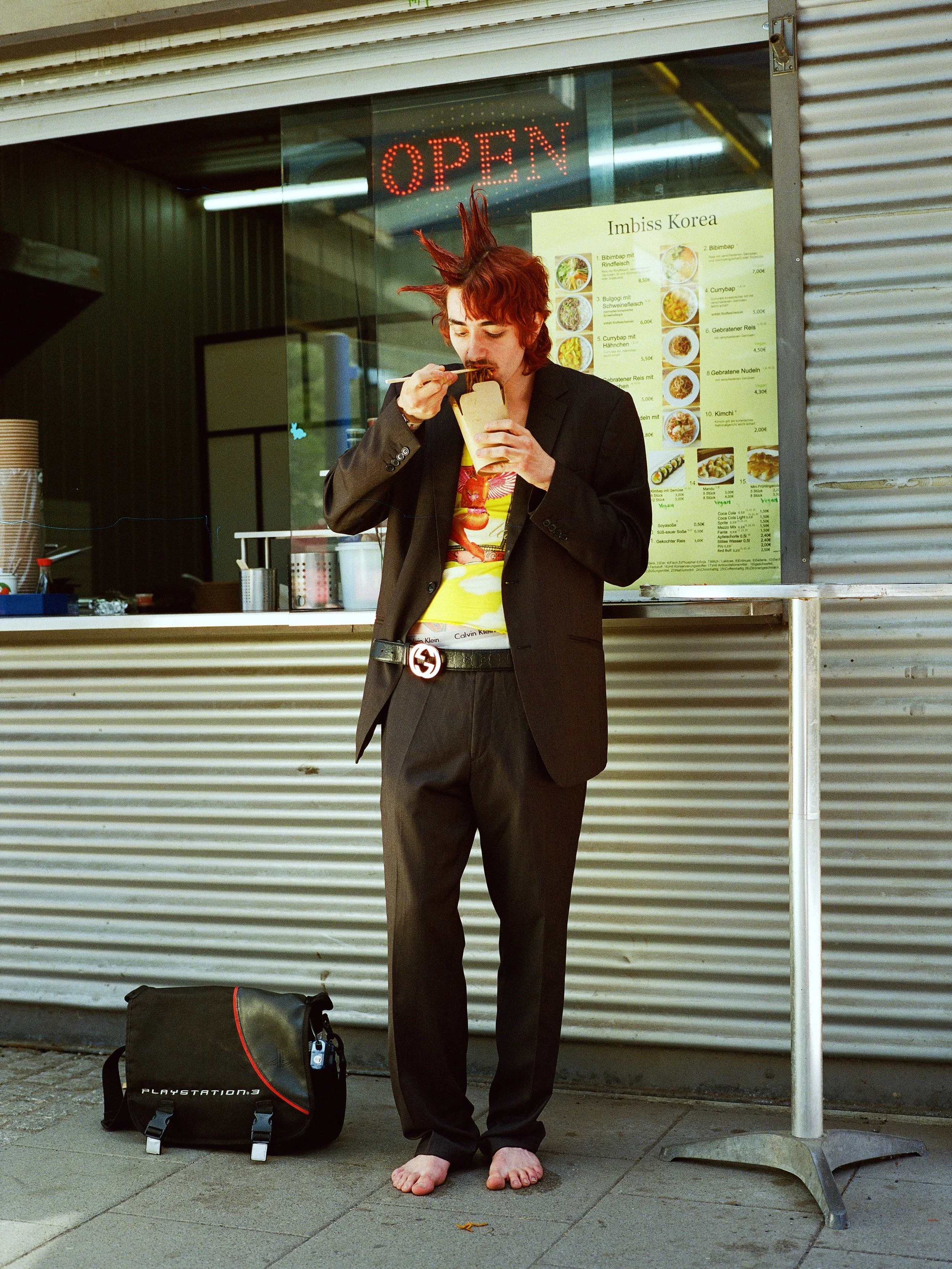
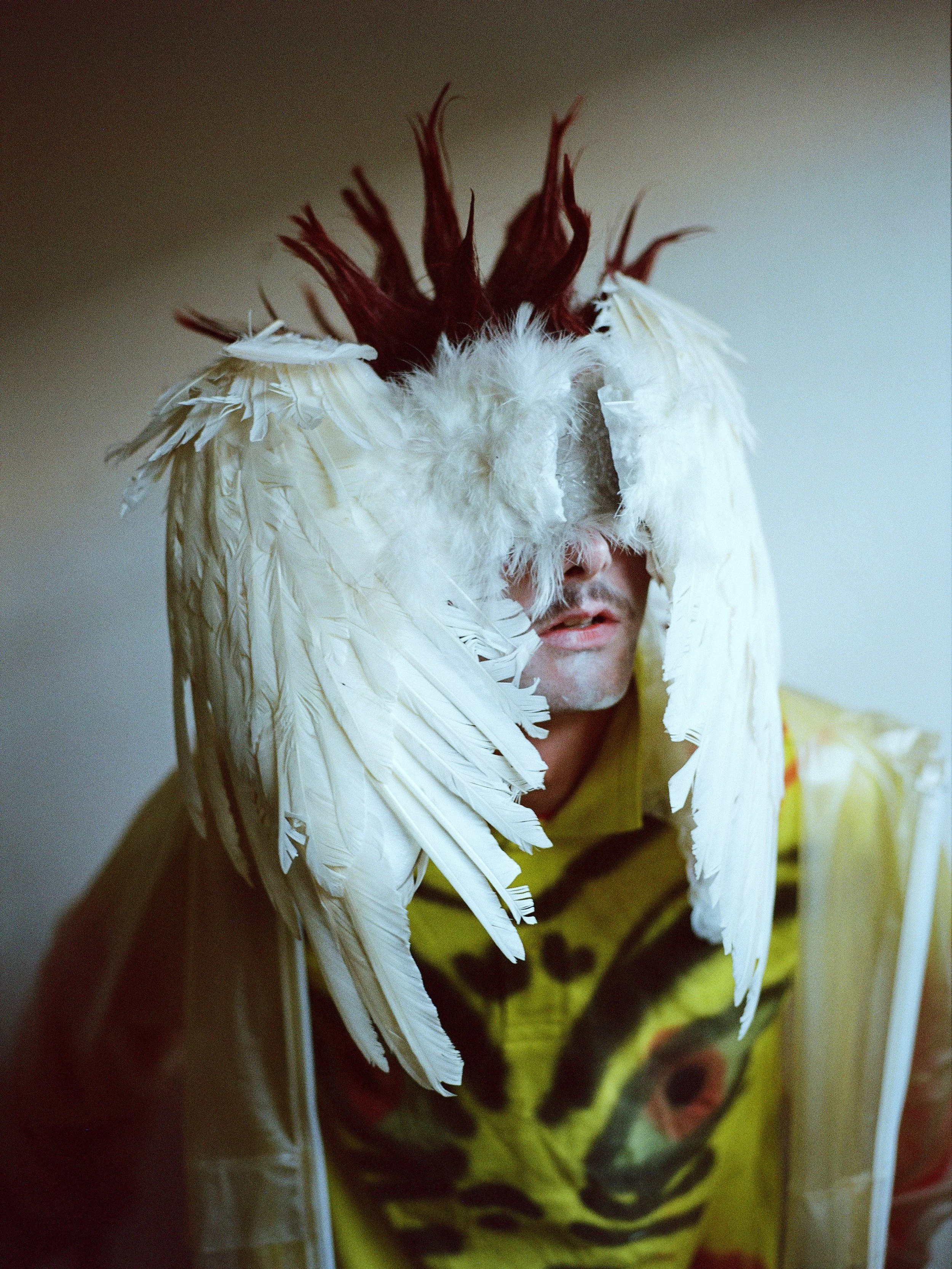
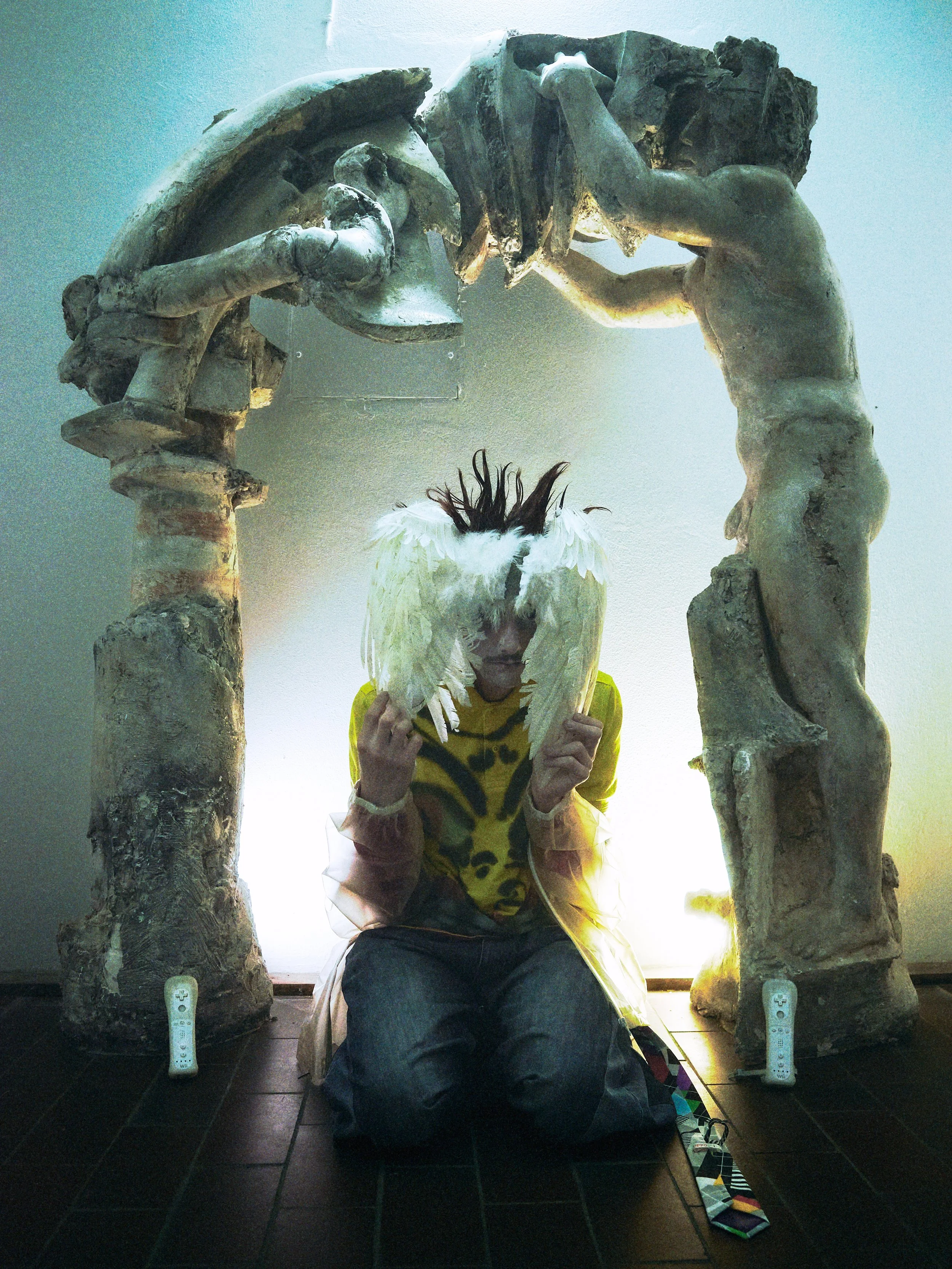
Between emojis and saintly attributes, the boundaries between sacred iconography and post-digital self-staging begin to dissolve. Plush toys turn into protective amulets, game controllers into new rosaries, wings into promises of virtual transcendence. Max Headroom meets Dante: algorithms as gatekeepers of a cultural hell that does not punish us, but demands us—constantly.
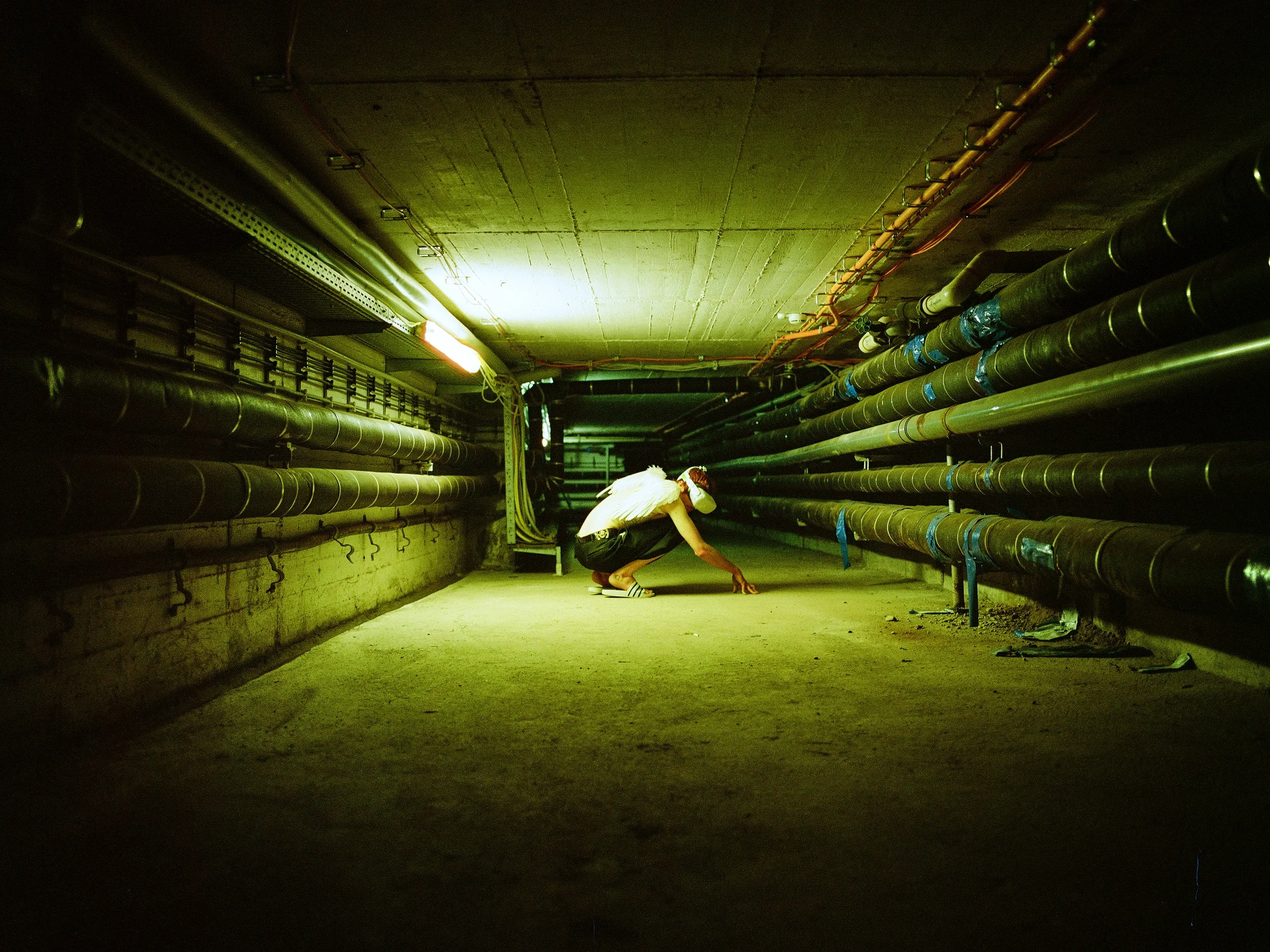
This body is neither rebellious nor compliant—it is still loading. Neither real nor simulated, it performs within the latency of its own existence. A heavenly messenger without heaven, a saint without miracles. Sacred fragments and cultural references converge into a visual-theoretical remix—not designed, but curated. As Legacy Russell writes, “The glitch is a refusal.” Here, it becomes a sacral refusal to be coherent.
Boris Groys describes digital subjectivity as modular. Yet modularity does not mean freedom, but recombination. Everything is quoted; nothing is original. The images do not depict people, but artifacts of a digital-sacral process—clinical testimonies of an algorithmic aesthetic.
Algocore is the visual archive of a cultural rite in which identities do not emerge, but occur. It is fashion as a digital-sacral gesture—not as expression, but as symptom of a time that forces us to constantly reinvent ourselves, without ever arriving.
doomscrolling.txt
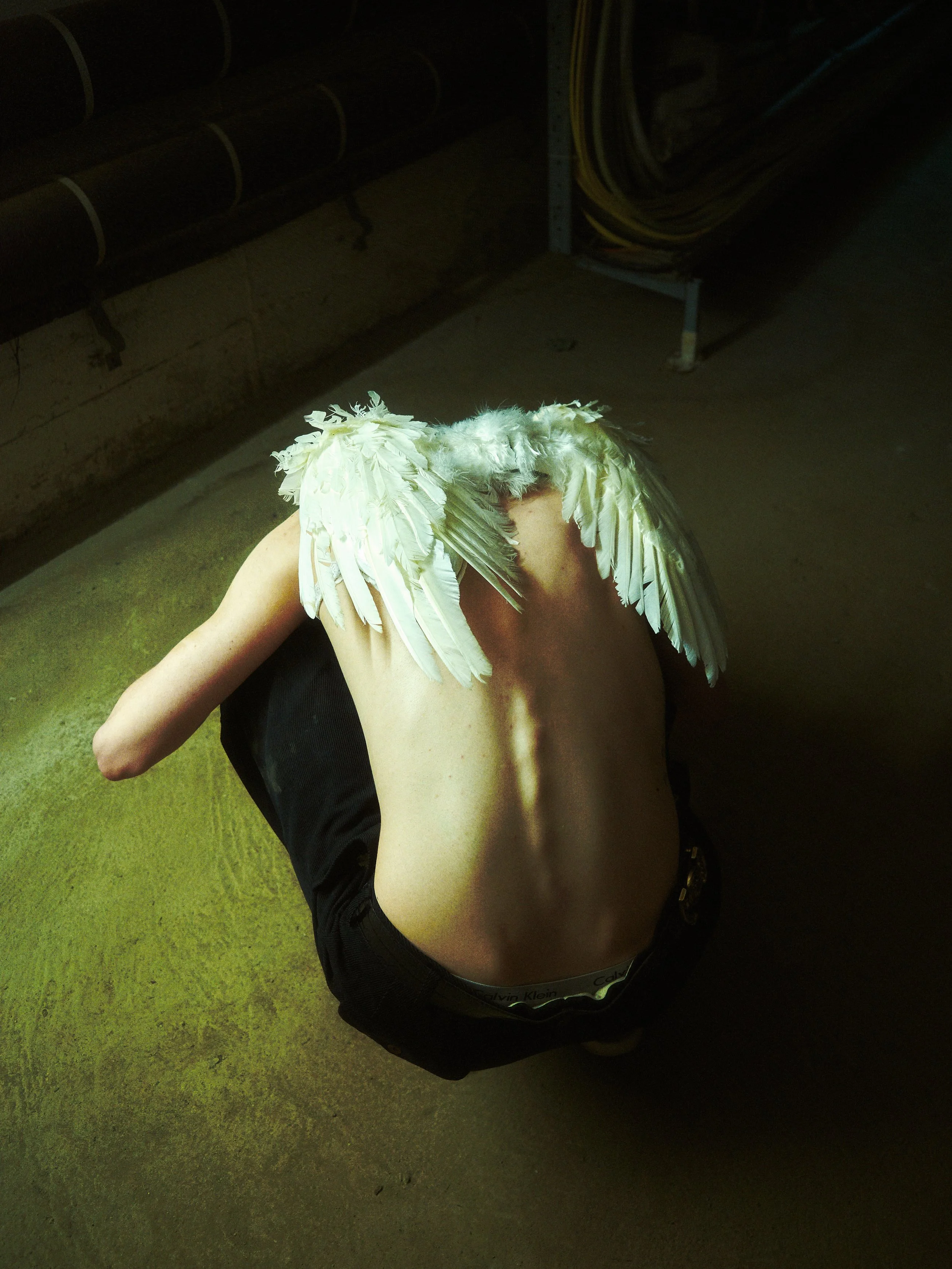
The boy looked like an angel. Then the algorithm arrived.
It promised light, but delivered endless loops. Scroll until you disappear.
A body without origin.
A soul made of suggestions.
Doomscrolling as prayer,
the algorithm as god,
the angel as sacrifice.