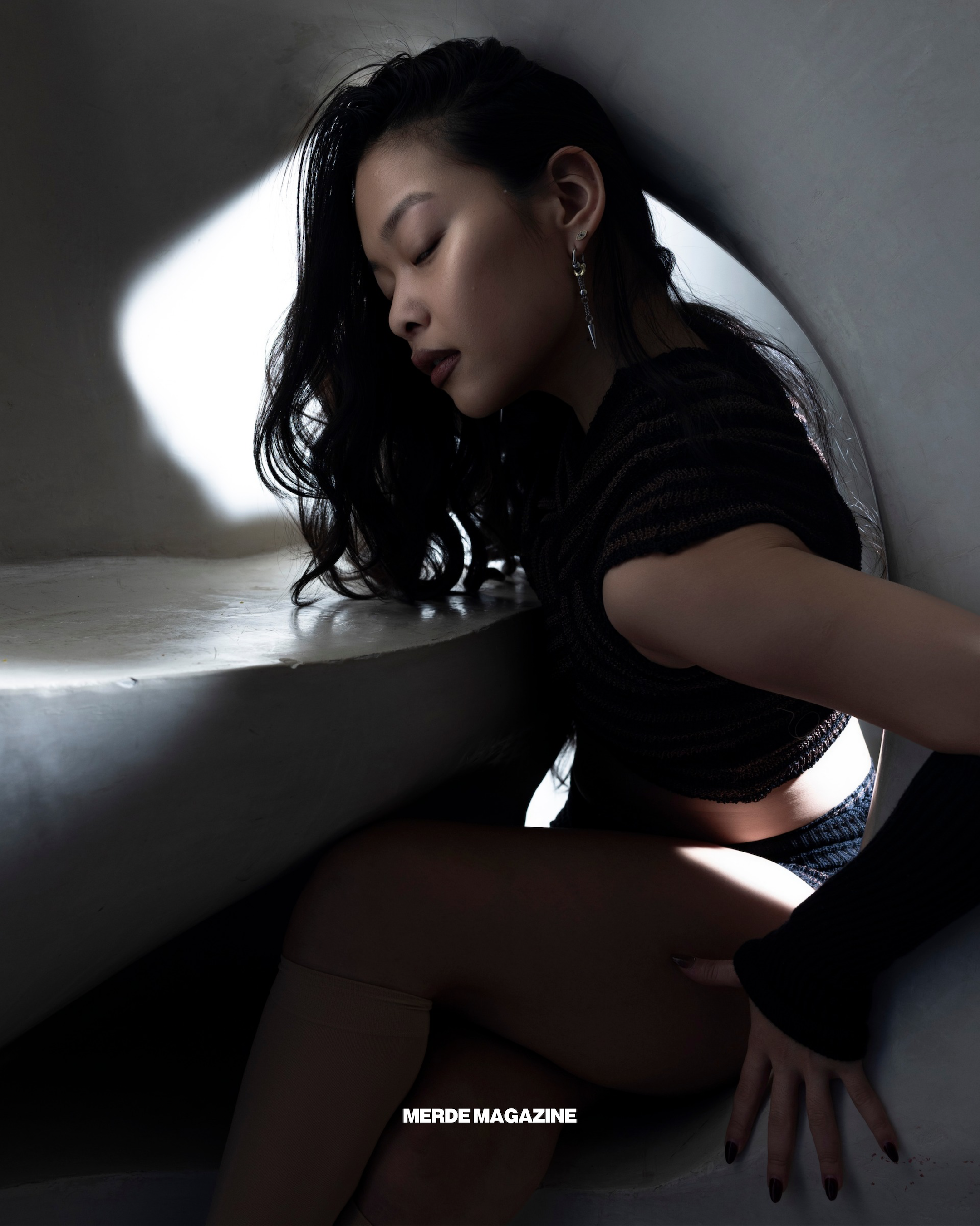
Words by Andrea Mizrahi
Photos by Kenna Kroge, Modeled by Erika
Mort: a word that means death in Latin. A word that suggests finality. In Mortica Studio, it marks a beginning.
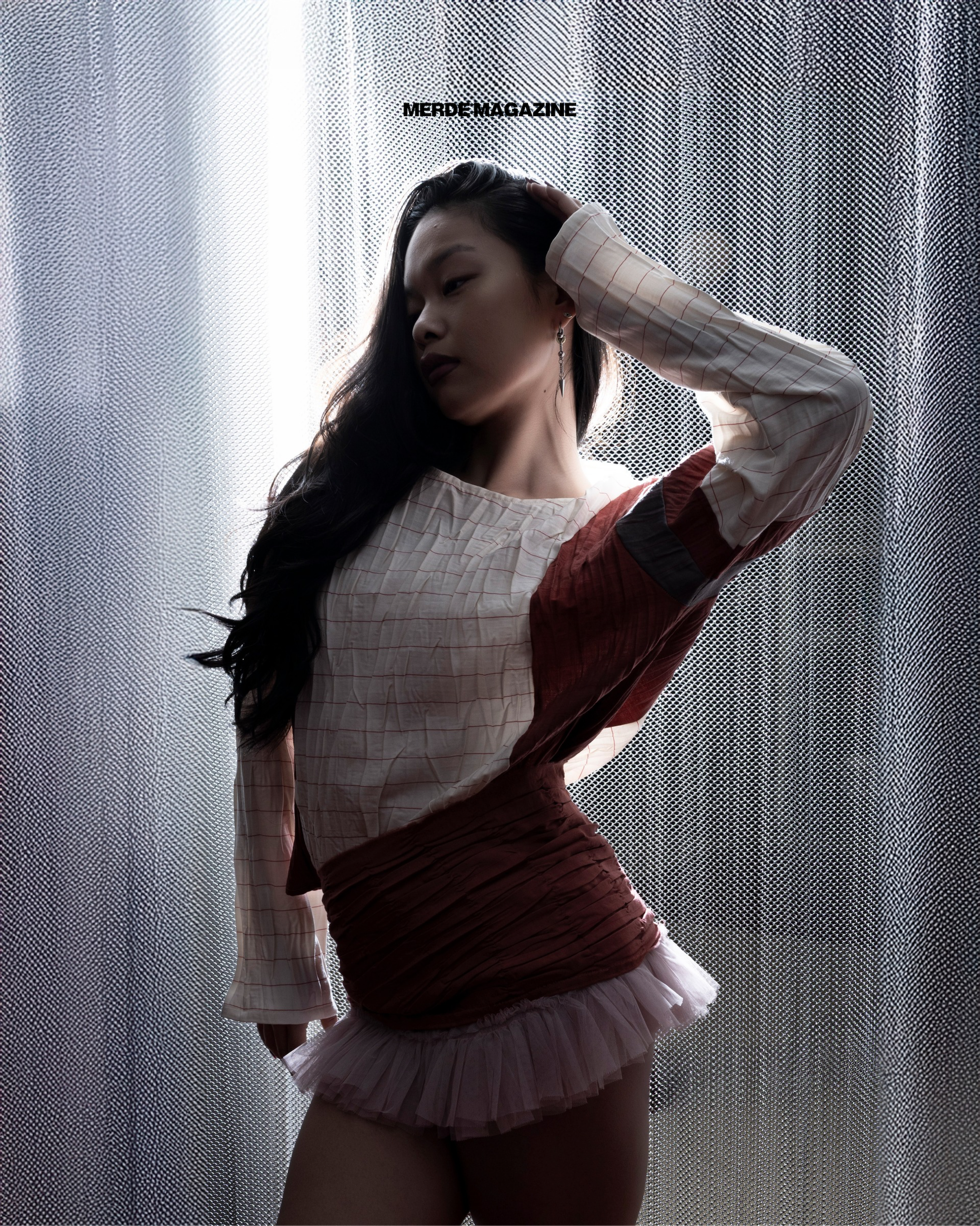
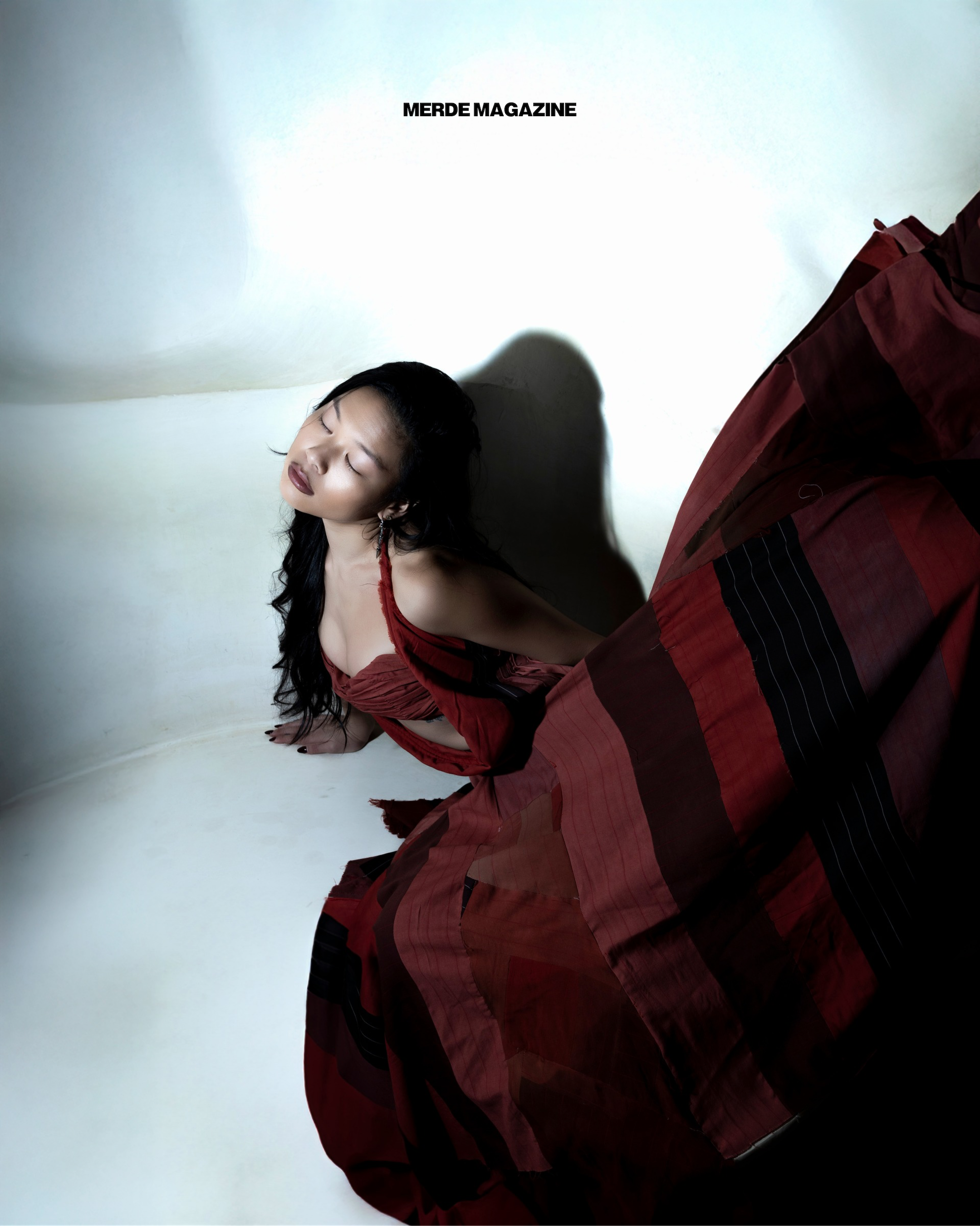
For founder Liv Masterson, decay is not something to disguise but rather something to study. The very first Mortica collection reflected on a moment of transition in Masterson’s life: her parents moving out of her childhood home. Sifting through old storage bins of childhood clothes, she was drawn not to what was preserved, but to garments tearing at the seams from age. The decay carried memory, a balance of nostalgia and new possibility. She’s drawn to the surplus of men’s striped button-down shirts in thrift and consignment stores. “I always noticed a pattern, kind of no matter where I was, that there was this excess of men’s shirting in consignment and vintage stores and thrift stores,” she says. The garments were consistent in silhouette and construction, making them an ideal base. “There’s a pretty standard template of what the silhouette is. It was really fun to use as a base to see how I could misshape it and distort it.” Stripes and rigid patterning became central to her visual language. “I’ve always been inspired by regimented lines and rigid patterns and where we can insert fluidity and organic moments within them.” Mortica was born from that friction Liv had found between erosion and expansion. During her time studying textile design at RISD and amid the pandemic's isolation, her experiments with upcycling deadstock fabrics gradually evolved into a brand built on transformation.
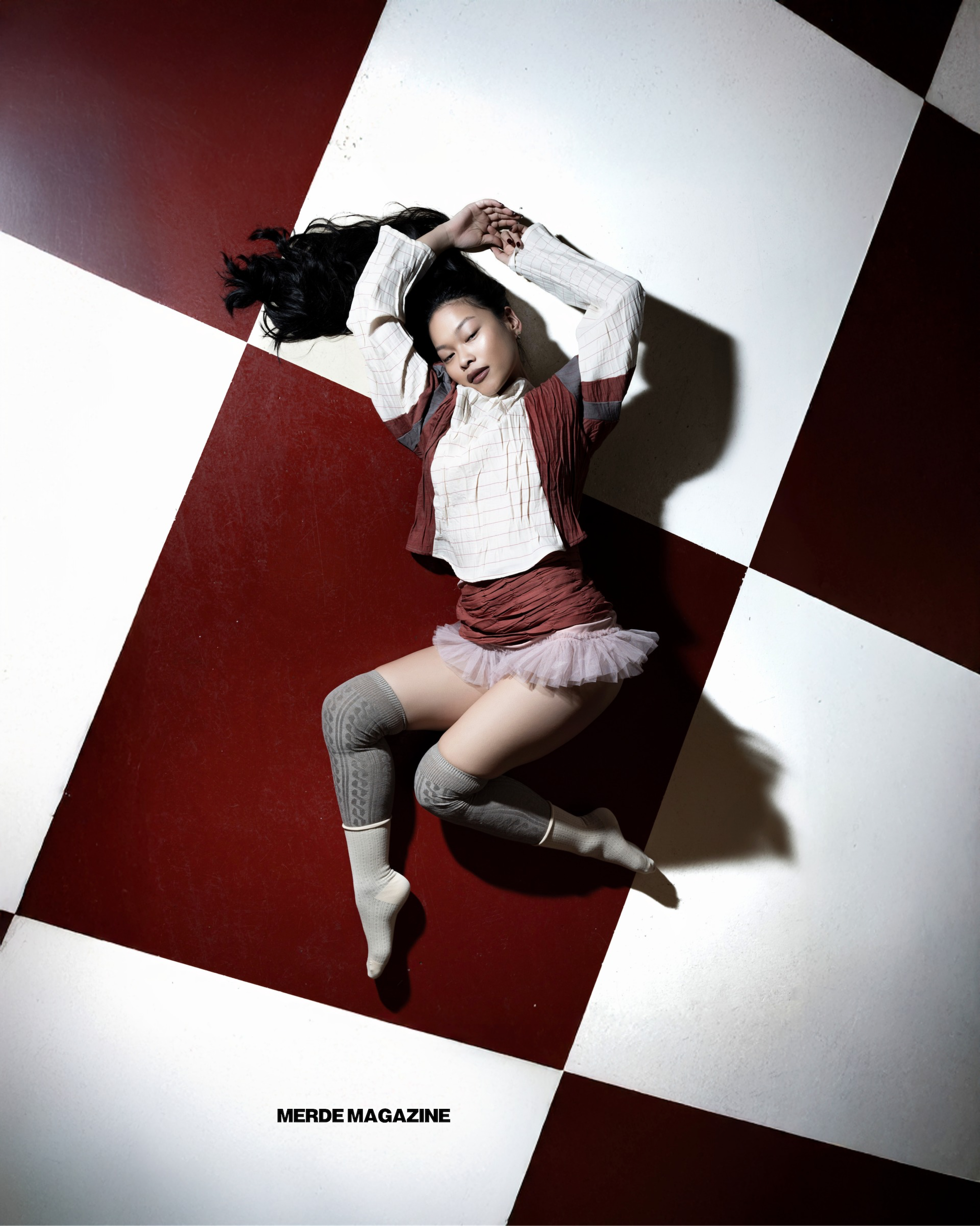
“There is so much excess and over-saturation of material, especially in the textile industry. It’s one of the most environmentally devastating industries there is,” Masterson says. Her approach emphasizes circularity: working with deadstock, repurposing garments, and even reintegrating studio scraps or old pieces. “It’s very regenerative. There’s even circularity within circularity,” she adds. By designing within these limitations, she creates small-batch collections that are intentional and inherently unique.
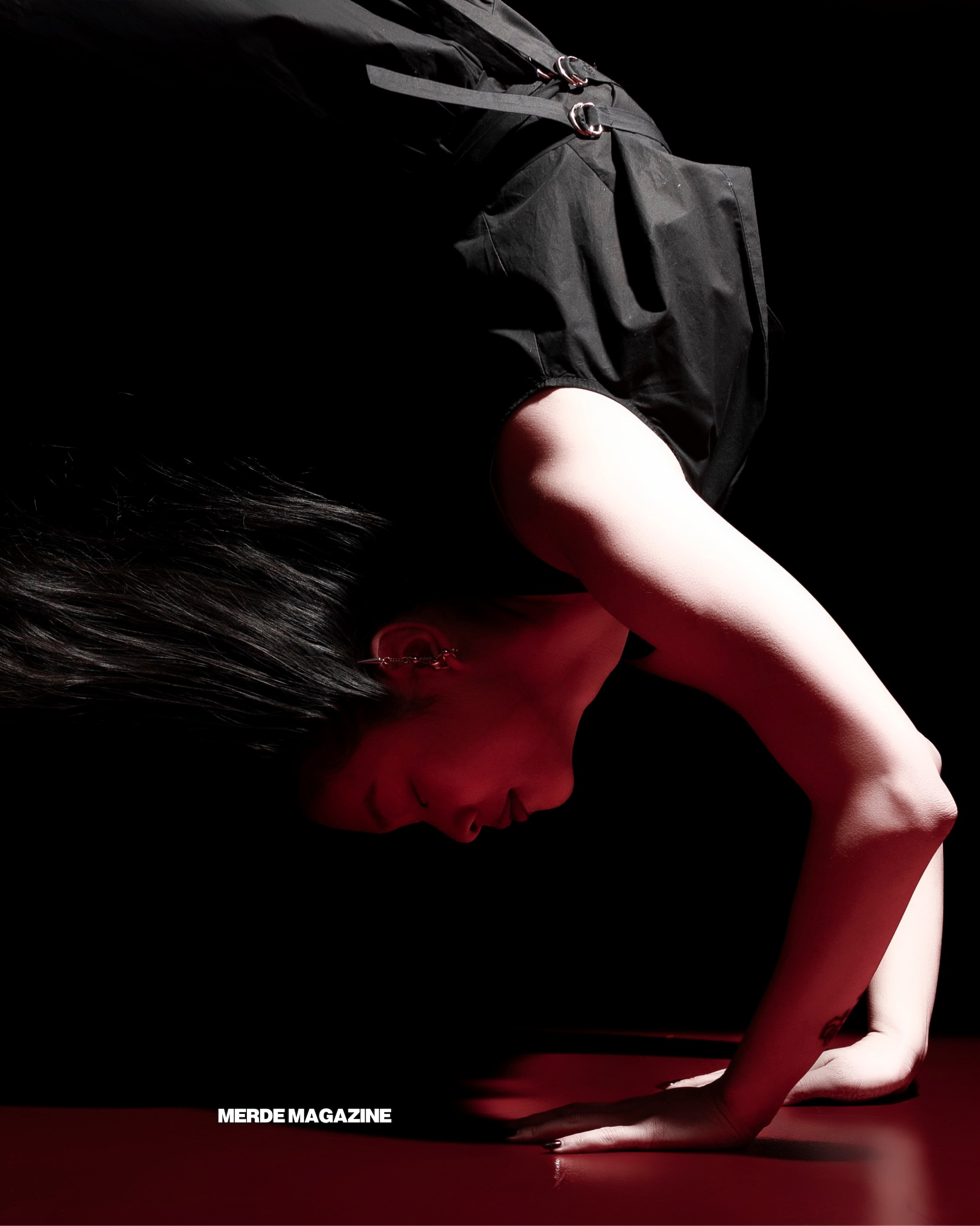
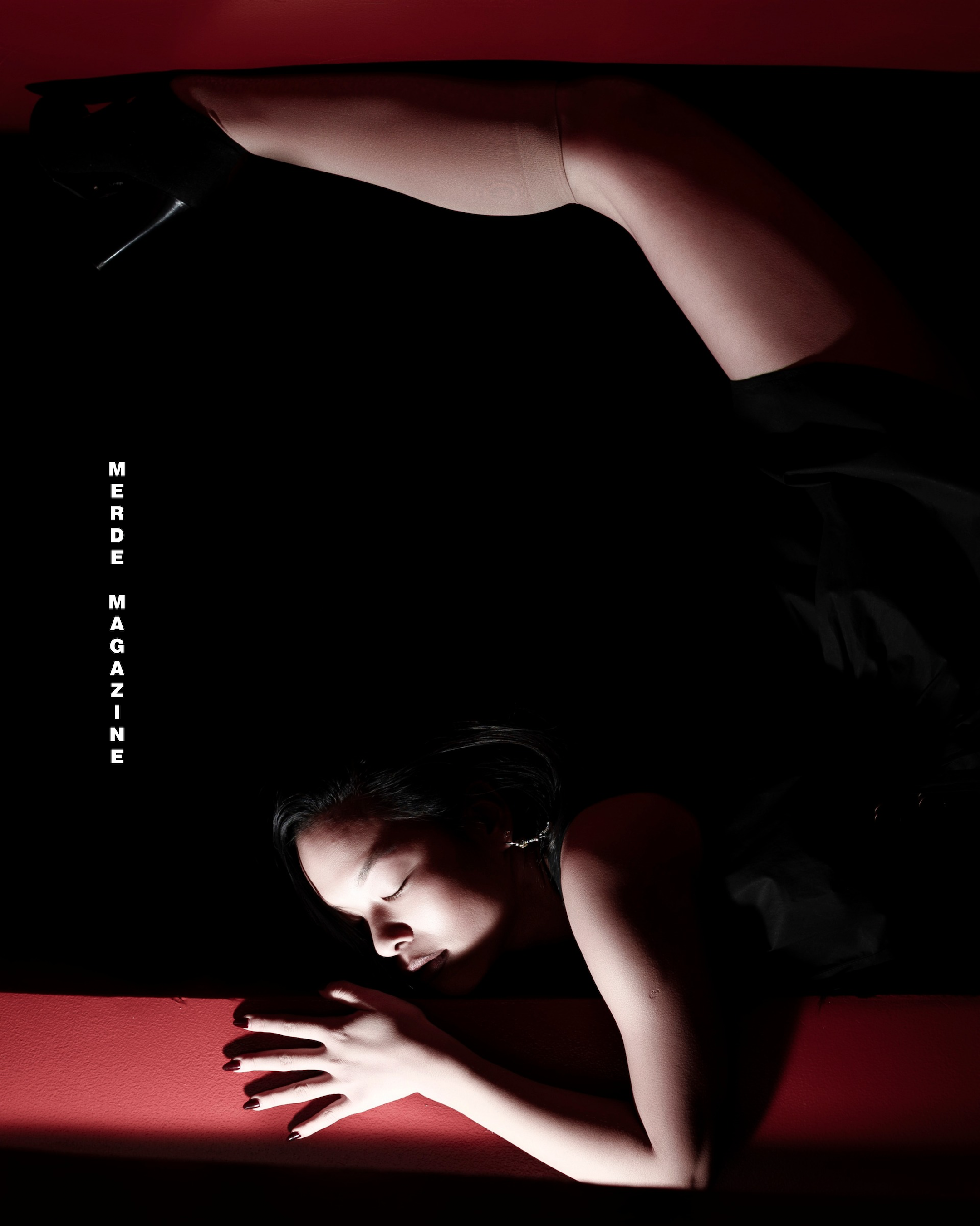
Follow Suit began as a short film. The garments and the film together emphasize performed gender, athletics, inviting experimentation, and letting people inhabit and interpret the work in different ways rather than prescribing a single identity. Masterson describes the project as an organic evolution. Many of the new styles are intentionally androgynous and designed to work across a larger size range. “I love playing with juxtaposition and contrast,” she explains. “Making Follow Suit, the accompanying film for the collection, was a moment that really kind of ignited so much meaning and inspiration in me. Not only was I telling this story in a beautiful way, but collaborating with such a talented and loving team. It was truly a communal effort, and seeing everyone come together to bring this vision to life was such a beautiful moment for me.”
Each collection is treated as a chapter in a larger exploration of material, form, and meaning.
“My hope is that the work…inspires just self-reflection on the patterns that we engage with and are like collective behaviors and individual actions and choices,” Masterson says. She thinks of clothing not just as objects, but as tools to engage with culture, identity, and everyday life.
Ultimately, Mortica is about transformation. Masterson’s work is rooted in a careful study of fabric itself, exploring how texture, weight, and structure can shift through different artisanal techniques. Pieces carry the history of their previous life while offering room for reinterpretation, allowing wearers to engage with them on their own terms. “I hope when someone wears Mortica, they feel empowered. Assured, self-defined. Free. Beautiful,” she says.